

Introduction to Intelligent Agents
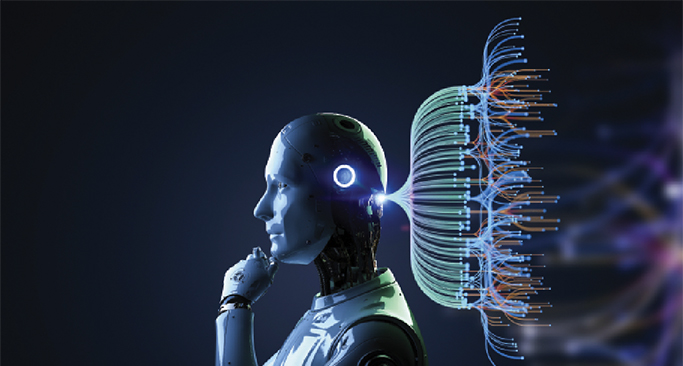
An intelligent agent is an entity that can perceive its environment, process information, and take actions to achieve specific goals. This topic introduces the concept of intelligent agents and explains how they interact with their surroundings through sensors and actuators. Learners will understand the role of intelligent agents in AI systems and real-world applications.
Types of Intelligent Agents
This topic explores different categories of intelligent agents, including simple reflex agents, model-based agents, goal-based agents, utility-based agents, and learning agents. Learners will understand how each type makes decisions and why different environments require different agent architectures.
Intelligent Agent Environments
The effectiveness of an intelligent agent depends on the environment in which it operates. This topic explains various types of environments such as fully observable, partially observable, deterministic, stochastic, static, and dynamic environments. Learners will analyze how agents adapt their behavior based on environmental conditions.
Real-World Applications of Intelligent Agents
Intelligent agents are widely used in technologies such as virtual assistants, chatbots, recommendation systems, autonomous vehicles, robotics, and smart homes. This topic demonstrates how intelligent agents help automate tasks, improve user experiences, and support decision-making in various industries.